
Comparison • March 24, 2026

Villa automation is becoming a standard for modern homes in Dubai, Abu Dhabi, and Kerala. Homeowners investing in home automation in Dubai are increasingly integrating lighting, climate, security, and entertainment into one intelligent system.
However, automating a villa is not just about installing smart devices — it requires careful planning, system selection, and professional execution to ensure reliability and long-term performance.
Whether you are building a new villa or upgrading an existing one, this step-by-step guide will walk you through the entire process — from planning and choosing the right system to installation, programming, and final handover.
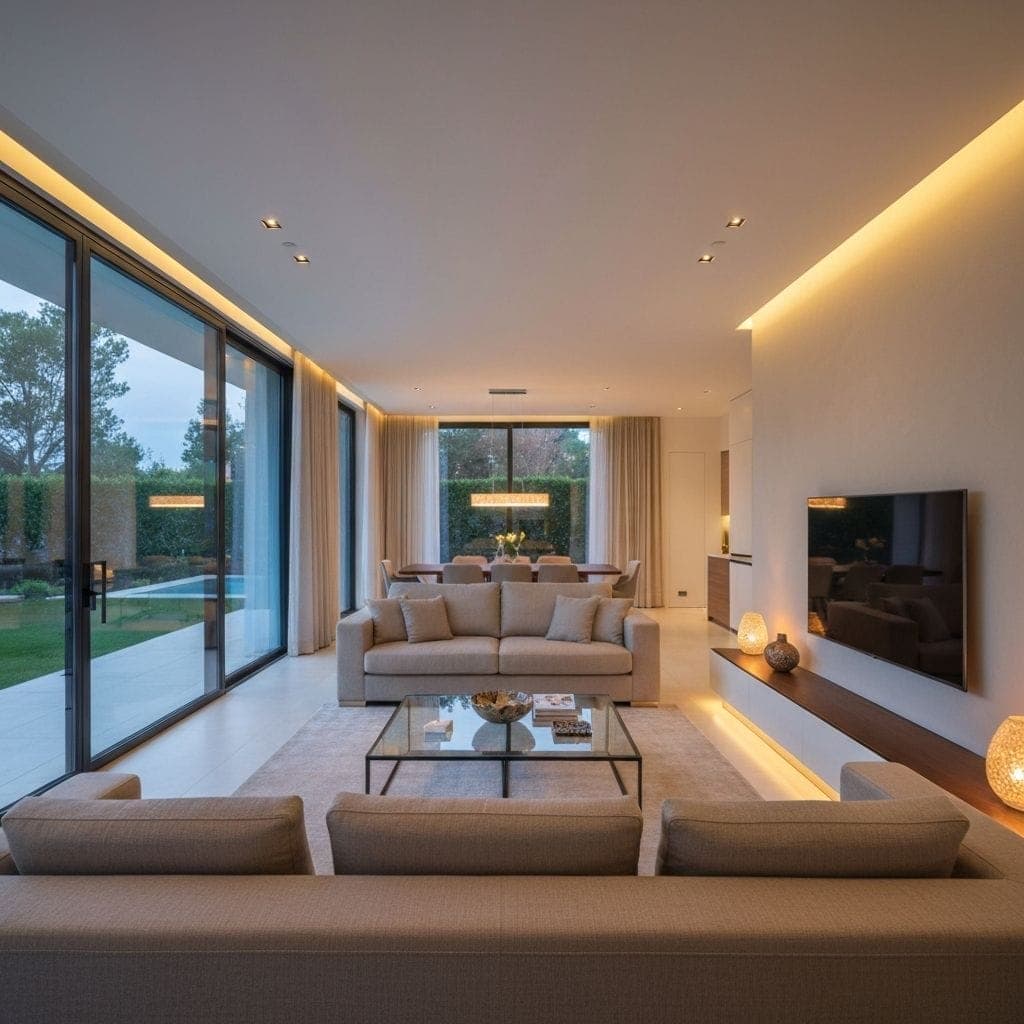
Villa automation refers to integrating multiple systems such as lighting, HVAC, security, and entertainment into a single intelligent platform. Using systems like KNX, Control4, or hybrid setups, homeowners can control their entire villa through a mobile app, touch panels, or voice assistants.
Learn more about complete home automation in Dubai.
Planning is the most critical stage of any automation project. Poor planning leads to higher costs and limited functionality later.
Tip: Always plan automation during the construction stage for best results.
Selecting the right system determines performance, scalability, and user experience.
For a detailed comparison, read our guide on KNX vs Control4 for luxury villas.
Once the system is selected, the next step is detailed design.
A well-planned design ensures:
Installation should always be handled by professionals.
This is where your villa becomes “smart.”
Example: One button can turn off all lights, lock doors, and adjust AC.
Before completion, the system is tested thoroughly.
This ensures you can fully control and customize your system.
Typically 3–6 weeks depending on villa size and system complexity.
Yes, wireless or hybrid systems can be installed in existing homes.
KNX is best for large villas, while Control4 is ideal for smaller setups.
Automating a villa is a long-term investment that enhances comfort, security, and property value. The key to success is choosing the right system and working with experienced professionals who understand your requirements.
Plan Your Villa Automation Project Today!
Our experts design and install complete smart home solutions across Dubai, Abu Dhabi, and Kerala. Contact us and get a tailored plan for your villa today.
Speak with our specialists and get a tailored automation solution.
Consult Us 
